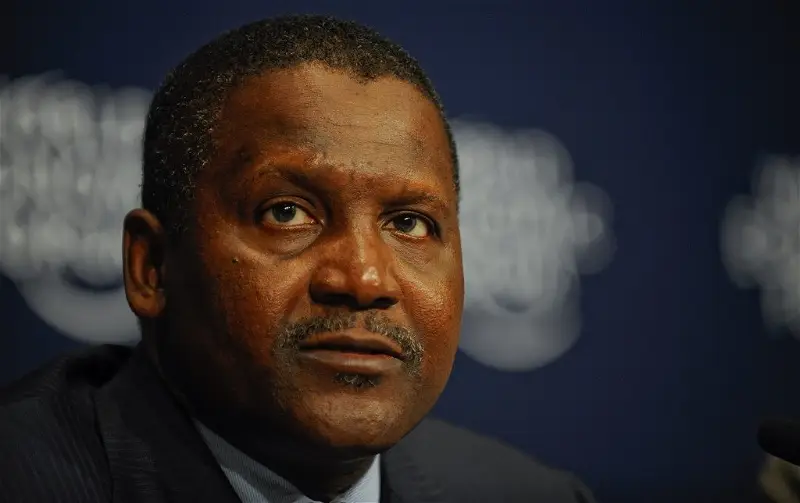
GCR Ratings (GCR) has affirmed the national scale long-term and short-term issuer ratings of AA+(NG) and A1+(NG) respectively accorded to Dangote Industries Limited (DIL).
Youth Uprising: A Clarion Call for Africa’s Future
As protests rage across Kenya under the banner #RejectFinanceBill2024, a broader narrative is unfolding across the African continent. These decentralized mass protests against proposed tax increases are not merely a reaction to local policies but symptoms of a larger malaise affecting many African nations.
As young people take to the streets demanding accountability and effective governance, the echoes of Nigeria’s End SARS movement are loud and clear. The unrest in Kenya epitomizes the growing discontent among Africa’s youth, underscoring the urgent need for political and economic reforms across the continent
The Finance Bill 2024, proposing significant tax hikes, has sparked widespread outrage in Kenya. The government’s decision to increase taxes amidst rising inflation and economic hardship is seen as a direct affront to citizens already struggling to make ends meet. Despite numerous cost-cutting recommendations, the government has opted to burden its populace with additional taxes instead of implementing fiscal prudence. This scenario is not unique to Kenya; it reflects a common trend across many African countries, where governments prioritize short-term revenue generation at the expense of long-term economic stability and social cohesion.
A Continental Youth Uprising
The Kenyan protests have inspired similar movements across the continent, with protests breaking out in Nigeria and in Uganda by young people galvanized through social media. Platforms like Twitter and Facebook have been instrumental in mobilizing youth across Kenya and beyond. Facing unprecedented levels of unemployment and economic uncertainty, these young people are increasingly disillusioned with their governments. The African youth bulge, which should be an asset, is becoming a liability as job creation lags behind population growth. This demographic pressure cooker, exacerbated by poor governance and economic mismanagement, is a ticking time bomb.
Notably, the protests have seen youth mobilized across tribal and religious lines, united in their demand for change. The End SARS protests in Nigeria, which began as a movement against police brutality, quickly morphed into a broader call for good governance and economic justice. Similarly, the #RejectFinanceBill2024 protests in Kenya, though centered on taxation, are rooted in a deep-seated frustration with systemic corruption and ineffective leadership. These protests signify a growing awareness and willingness among Africa’s youth to challenge the status quo and demand a better future.
The Political Nuances
The political landscape in many African countries complicates the situation. Governments often stifle dissent through internet shutdowns, arrests, and violent crackdowns on protesters. In Kenya, the response to the Finance Bill protests has been mixed, with attempts to placate the public while violently cracking down on dissent. This delicate balancing act reflects a broader pattern of governance in Africa, where leaders are often torn between maintaining power and addressing the legitimate grievances of their citizens.
Furthermore, the role of external actors, particularly international financial institutions like the International Monetary Fund (IMF), is significant. Many African countries, burdened with unsustainable debt, have turned to the IMF for financial assistance. Although higher interest rates often reflect a history of defaults, the conditions attached to these loans typically include austerity measures and structural adjustments that worsen the plight of ordinary citizens. Kenya’s tax proposals, driven by the need to meet IMF loan conditions—standing at 68 percent of its GDP, well above recommended levels—highlight the complex interplay between domestic policies and international financial obligations..
To address the root causes of these protests and pave the way for a more stable and prosperous Africa, several steps need to be taken:
Fiscal Responsibility and Transparency: African governments must prioritize fiscal responsibility and transparency. This entails not only generating revenue but also rationalizing expenditure by cutting wasteful spending and reducing corruption. Strategic investments in education, healthcare, and public transport are crucial, alongside the implementation of efficient tax systems. Transparent use of public funds is essential to build trust between governments and citizens.
Youth Employment and Entrepreneurship: Addressing high levels of youth unemployment should be a top priority. African governments need to create an enabling environment for entrepreneurship and small businesses, invest in education and skills training, and create industries that can benefit its large youth workforce.
A New Social Contract: There is an urgent need for a new social contract between African governments and their citizens, prioritizing transparency, accountability, and inclusive development. This contract should be founded on principles of equity and justice, ensuring that the benefits of economic growth are widely shared.
Engaging with Multilateral Institutions: While loans from institutions like the IMF can provide necessary financial relief, African governments must negotiate terms that do not burden their citizens. Debates and consultations before implementing IMF-recommended austerity measures are essential, ensuring policy approaches that prioritize Africa’s interests.
Regional Cooperation: African countries must work together to address common challenges. Regional bodies like the African Union can play a significant role in mediating conflicts, promoting good governance, and fostering economic integration.
The youth protests breaking out are a powerful reminder of the untapped potential and simmering frustrations of Africa’s young population. As the continent grapples with economic hardship and governance deficits, it is imperative for leaders to heed the voices of their young citizens. Africa’s future depends on creating inclusive, transparent, and accountable governance structures that harness the energy and creativity of its youth. By addressing the underlying issues driving these protests, African countries can chart a course towards a more prosperous and stable future.
Stephen Chukwumah is a Nigerian-born advocate who is based in Washington, D.C., and works internationally on key policy issues. Twitter: @chibik3
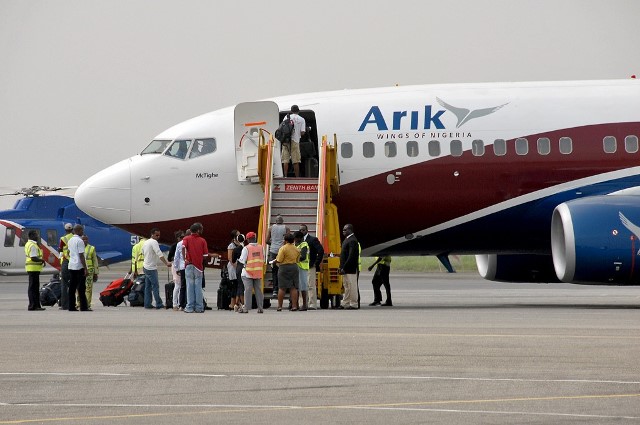
LAGOS – Unions in the Nigerian aviation industry have jointly written an open letter to President Bola Tinubu on the grounding of the Arik Air fleet of aircraft by the Nigerian Airspace Management Agency (NAMA).
û
The unions; National Union of Air Transport Employees (NUATE), Air Transport Services Senior Staff Association of Nigeria (ATSSSAN) and the National Association of Aircraft Pilots and Engineers (NAAPE), expressed shock with the grounding of the airline’s fleet.
The open letter dated August 1, 2024 and obtained by Daily Independent, was signed by Comrades Ocheme Aba; General Secretary, NUATE, Frances Akinjole, Principal Deputy General Secretary, ATSSSAN and Olayinka Abioye, General Secretary, NAAPE.
The petitioners, expressed shock with the grounding of the operations of the airline over the indebtedness between Engr. Arthur Eze and Sir. Johnson Arumemi-Ikhide, the founder of Arik Air.
The unions also maintained that the aircraft in question belonged to secured creditors as lien and wondered how such equipment could be taken over by another creditor.
They argued that the aircraft could not have been used as writ for the loan.
According to the unions, the action had created anguish and severe frustration among Arik’s passengers and had exacerbated the present air travel challenges in the country.
The unions also said that no fewer than 2,000 direct staff of the airline would be affected, while no fewer than 16,000 dependents would also face the current hardship of the grounding of the airline by the agency.
The petition added: “Under the current severe socio-economic upheavals, throwing such large numbers of citizens into economic quagmire can only worsen the forbearance strains. This is apart from losses of the other third party vendors and service providers – airports, aviation agencies, ground handlers, fuellers, caterers and many more. This will also have a significant negative impact on the earnings of aviation agencies.
“Against the background of the negative consequences of the earlier similar grounding of Dana Air for which the industry is still counting the losses, we consider this avoidable situation to be truly worrisome.”
The unions appealed to intervene in the crisis by calling all parties in the matter, especially the government agencies to order and allow the airline to continue its operations, even while the issues are being resolved.
The unions also pointed out that there was an order of court directing all parties to maintain status quo ante on the issue.
Daily Independent had exclusively reported on Monday that the grounded aircraft, Boeing 737-700 with the registration number: 5N-MJF, B737-800; 5N-MJQ and DASH8-Q400 with the registration number: 5N-BKX, belonged to Afrexim Bank.
The paper also reported that the situation may discourage foreign creditors from financing aircraft purchase for indigenous airlines, fearing that their assets may be taken as lien by other creditors in case of litigation.
NAMA in a statement last Tuesday by Alhaji Abdullahi Musa, its Director, Public Affairs and Consumer Protection, had said that three Arik Air aircraft were affected by the Supreme Court ruling.
The statement clarified that the airline’s fleet of aircraft were grounded over the $2.5 million debt to one Atlas Petroleum International Ltd, which attached its airplanes.
Earlier, the management of Arik Air (In Receivership), had accused Mr. Festus Keyamo, the Minister of Aviation and Aerospace Development of grounding the airline’s fleet of aircraft
Mobius, maker of low-priced SUVs for startups, to shutdown
Mobius Motors, a Kenya-based automaker backed by Playfair Capital, has entered a voluntary liquidation after efforts to rescue the company for nearly one year failed. Mobius has been struggling to settle suppliers and pay salaries as debts from its operations rise.
“At a meeting of the shareholders held on 5 August 2024, it was resolved to place the company under liquidation as per Section 393(1) (b) of the Insolvency Act and appoint KVSK Sastry as the liquidator to wind up the company,” Nicolas Guibert, Mobius director, said in a notice.
Kenya’s Insolvency Act 2015, allows companies to wind up if the board resolves “by special resolution that it be liquidated voluntarily.”
Mobius, which raised $56 million across five rounds, manufactured low-priced SUVs targeting SMEs in infrastructure, agribusiness and supplies operating in remote areas, and needed vehicles that could withstand rough terrains.
Founded in 2009 by Joel Jackson, a British national, while working in Kenya, Mobius pioneered a stripped-down SUV model “built for African roads” in 2014. The first model cost $10,000 (KES1.3 million), below the market prices of standard SUVs in Kenya.
The startup built 50 units of its first model. It released Mobius II and Mobius III in 2018 and 2021 respectively, as successors of the first model, but failed to capture the Kenyan car market flooded with second-hand imports from the UK, Japan and other Asian countries.
The company’s production was tied to pre-orders with a refundable deposit of $384 (KES50,000), which could mean the uptake of its models was low in the market.
Mobius began mass production in 2015 after getting the backing of Playfair Capital, a UK-based VC. It also received funding from Chandaria Industries, a Kenyan-based manufacturer, DFC, a US government development corporation and PanAfrican Investment, a private investment firm
Foreigners asked to leave Lebanon as war fears surge
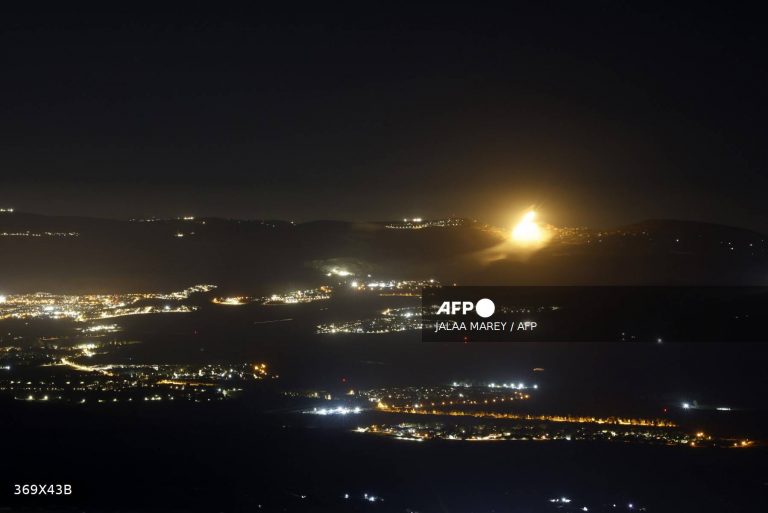
Urgent calls grew for foreign nationals to leave Lebanon, which would be on the front line of a regional war, as Iran and its allies readied their response to high-profile killings blamed on Israel.
While diplomats worked to avert a feared conflagration, France’s Emmanuel Macron and Jordan’s King Abdullah II said Sunday a regional military escalation must be avoided “at all costs”, the French presidency said after they held a telephone call.
With major military action from Lebanon’s Iran-backed Hezbollah movement and others widely expected, Israeli Defence Minister Yoav Gallant said: “If they dare to attack us, they will pay a heavy price.”
The nearly 10-month-old war in Gaza between Israel and Hamas has already led to a violent fallout which has become routine around the region.
In the deadliest incident on Sunday in Gaza, the Civil Defence agency said an Israeli strike hit two Gaza City schools housing displaced people, killing at least 30.
This brings to at least 11 the number of schools hit in Gaza since July 6.
Israel’s army confirmed the latest strike, saying Hamas was using the schools.
Near the Israeli commercial hub of Tel Aviv, medics and police said two people were killed in a stabbing attack.
The assailant, a Palestinian from the Israeli-occupied West Bank, was “neutralised” by police and taken to hospital, where he was pronounced dead.
• ‘Highly volatile’ –
Hezbollah, which has traded near-daily fire with Israeli forces since the Gaza war broke out in October, announced the deaths of two of its fighters without specifying where.
The Lebanese health ministry said an Israeli strike on the southern border village of Hula killed two people.
Lebanon’s official National News Agency had reported Israeli strikes on various areas of south Lebanon, after Hezbollah said it had fired a fresh barrage of rockets at northern Israel.
The Israeli military said most of the 30 projectiles launched from Lebanon were intercepted.
Sirens sounded again early Monday in northern Israel’s Upper Galilee region after “numerous suspicious aerial targets were identified crossing from Lebanon”, the Israeli military said.
The attack triggered a fire and an officer and a soldier were “moderately injured”, it said on Telegram.
The cross-border violence since October has killed some 547 people in Lebanon, mostly fighters but also including 115 civilians, according to an AFP tally.
\
Saudi Arabia and France became the latest of several countries calling on their citizens to leave Lebanon.
“In a highly volatile security context”, the foreign ministry in Paris “urgently asked” its nationals to avoid travelling to Lebanon and suggested those already in the country leave “as soon as possible”.
France also urged its nationals living in Iran to “temporarily leave”.
Several Western airlines have suspended flights to Lebanon and other airports in the region.
Qatar Airways said the Doha-Beirut route would “operate exclusively during daylight hours” at least until Monday.
• Ceasefire hopes dimmed –
Wednesday’s assassination of Hamas political leader Ismail Haniyeh in Tehran, hours after the Israeli killing of Hezbollah’s military chief Fuad Shukr in Beirut, has triggered vows of vengeance from Iran and the “axis of resistance” of Tehran-backed armed groups.
Israel, accused by Hamas, Iran and others of killing Haniyeh, has not directly commented on the attack.
Israel has vowed to destroy Hamas in retaliation for its unprecedented October 7 attack on Israel which resulted in the deaths of 1,197 people, mostly civilians, according to an AFP tally based on Israeli official figures.
Militants also seized 251 hostages, 111 of whom are still held captive in Gaza, including 39 the military says are dead.
Israel’s retaliatory campaign has killed at least 39,583 people in Gaza, according to the territory’s health ministry, which does not give details of civilian and militant deaths.
Haniyeh was Hamas’s lead negotiator in efforts to end the war. His killing, and that of Shukr, “does not suggest Israel is sincerely interested in a ceasefire”, said Middle East expert Andreas Krieg.
Qatari, Egyptian and US mediators have for months tried to broker a truce and hostage-release deal.
• ‘Greatest peril’ –
Analysts have told AFP that a joint but measured action from Iran and its allies was likely, while Tehran said it expects Hezbollah to hit deeper inside Israel and no longer be confined to military targets.
Israel’s ally the United States said it was moving additional warships and fighter jets to the region.
In an interview with ABC News, White House deputy national security adviser Jon Finer said the United States was “doing everything possible to make sure that this situation does not boil over”.
JUST IN: DSS arrests #EndBadGovernanceInNigeria protest leader in Abuja
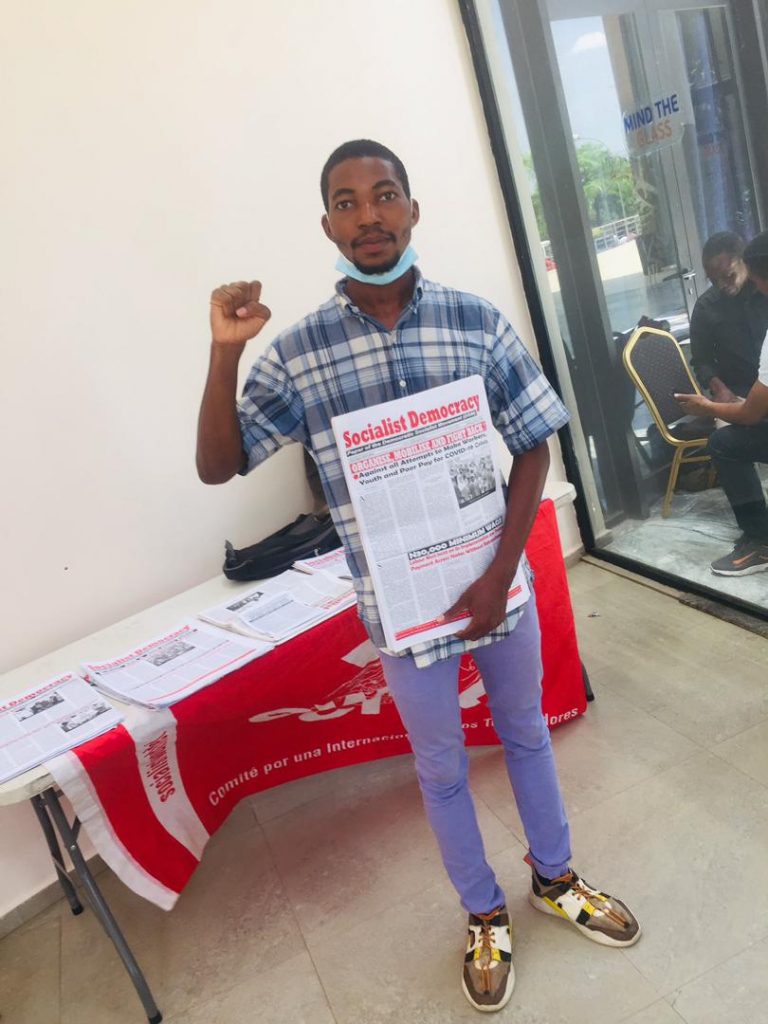
Operatives of the Department of State Services have arrested one of the leaders of the ongoing Endbadgovernance protests in the Federal Capital Territory, Micheal Lenin.
Lenin was picked up by the DSS around 2 am on Monday at his residence in the Apo area of the FCT.
Speaking with our correspondent, the Director of Mobilisation, Take It Back Movement, Damilare Adenola, said Lenin’s house was raided by the DSS.
He alleged that the DSS also assaulted him during his arrest.
Adenola said, “ Lenin has been arrested by the DSS. He was picked up during a raid on his house around 2am.
“He was arrested and tortured in the presence of his family. We are demanding his immediate and unconditional release.“
The DSS spokesperson, Peter Afunanya, could not be reached as of the time of filing this report.
He has yet to respond to a message sent to him.
Related News
Lenin, who is the National Coordinator, of the Youth Rights Campaign, was one of the organisers who spoke at a press briefing expressing disappointment with President Bola Tinubu’s broadcast on Sunday.
At the briefing, he said the President’s broadcast demonstrated that he is out of touch with reality in the country.
He said, “We wish to express our sadness and deep disappointment at the latest broadcast by President Tinubu which is his first address to the nation on the #EndBadGovernance protests, after over three weeks since Nigerians started mobilising to take to the streets and after scores of dead protesters and assaulted journalists from the first three days of the protests.
“ Many had requested that the President should just address the nation when the protest was being mobilised and when it started to escalate, but most of us did not know that the President would only justify state violence on protesters and journalists while dismissing the demands of the protesters whenever he decides to speak.
“This, plus the failed attempt to co-opt the progressive and radical language of the protests only shows how much President Tinubu is out of touch with the masses.“
Lenin, however, said the protest would continue massively on Monday, calling on the citizens to come out in large numbers.
He said, “We, therefore, call on Nigerians to come out in large numbers to continue these protests on Monday until our demands are met. The two-pronged approach of violence and propaganda has failed.
“The violence and repressions are just attempts to silence and control us, and the propaganda cannot sway or fool us.”
NDLEA Intercepts Drug Consignments in Baby Food Tins, Cloths Going to US, UK
Consignments of illicit drugs concealed in tins of baby food cans and cloths have been intercepted by the NDLEA.
Multiple consignments of illicit drugs concealed in tins of baby food cans and cloths going to the United States and United Kingdom have been intercepted by operatives of the National Drug Law Enforcement Agency (NDLEA) at the Murtala Muhammed International Airport, and a courier firm in Lagos.
A press statement on Sunday by the spokesman of the anti-narcotics agency, Femi Babafemi said no less than 36 parcels of a strong strain of cannabis concealed in six cartons of tins of baby food, with six containers in each package were recovered at the SAHCOL export shed of Lagos airport last Wednesday, noting that the psychotropic substance has a total weight of 18.5 kilogrammes.
He said that a freight agent, Salaudeen Abiola who presented the consignment for export to the UK was promptly arrested while a follow up operation to Ibadan, Oyo state on Saturday led to the arrest of the sender of the cargo, Bello Folu at her No. 20 Mofoluwasho Estate, Elewuro, Akobo area of the Oyo state capital.
He added that the food tins were all factory-sealed at the top while they tampered with the bottom through which they put the substances covered with loose quantities of the infant cereal meal to prevent discovery, an effort that ended in futility as vigilant NDLEA officers were able to foil the attempt.
He said in the same vein, five different shipments of opioids and other psychoactive substances, such as promethazine, pentazocine, diazepam, tramadol, and morphine concealed in cloths and other items meant for export to the US and UK were equally intercepted by NDLEA operatives in Lagos.
While one of the shipments containing 820 grammes of promethazine and pentazocine injections was going to the United States, the remaining four parcels consisting of over two kilogrammes of opioids such as tramadol 225mg, molly and NPS were heading to the United Kingdom. They were all intercepted last Monday at a logistics company in Lagos.
Meanwhile, NDLEA operatives at the Tincan port in Lagos last Friday recovered 77 packages of Canadian Loud, a synthetic strain of cannabis from the body compartments of four vehicles: Toyota Highlander, Ford Explorer, Toyota Corolla and Toyota Sienna imported from Canada during a joint examination of some containers with men of the Customs Service and other stakeholders.
The seized consignments have a total weight of 38.5 kilogrammes while two suspects: Salami Sunday, 34 and Lekan Atoyebi, 33, assigned to clear the shipments have been taken into custody, while Isiagu Sunday was arrested in Mushin Ojuwoye Lagos last Thursday with 1,740 bottles of codeine syrup weighing 174 litres and 1,070 tablets of Molly weighing 600grams, no less than 50 bags of cannabis with a gross weight of 520 kilogrammes were recovered in the bush at Isuada, Owo council area of Ondo state just as five suspects were arrested at Itaogbolu forest, Akure North local government area of the state.
The suspects nabbed in connection with the seizure of 42 kilogrammes of same psychoactive substance include: Jimoh Omotosho, 63; Donald Obi, 62; Emmanuel Patrick, 21; Kayode Oluwaseun, 39; and John Nsikan, 34.
In Edo state, twenty-two and a half bags of cannabis weighing 220 kilogrammes were recovered from Egbeta community, Ovia North East area of Edo state last Tuesday while a suspect, Osayede Aghoma was arrested. Another suspect, Ibrahim Abubakar, 55, was last Wednesday nabbed with 40 blocks of same substance weighing 19.2 kilogrammes along Okene-Lokoja highway in a commercial bus coming from Lagos enroute Kano.
He noted with the same drive, Commands and formations of the Agency across the country continued their War Against Drug Abuse, WADA, sensitization activities in schools, worship centres, work places and communities among others in the past week.
While commending the officers and men of MMIA, Kogi, Edo, Ondo, Lagos, and Tincan, Commands as well as those of DOGI for the arrests and seizures, Chairman/Chief Executive Officer of NDLEA, Brig. Gen. Buba Marwa (Retd) noted their drug supply reduction efforts balanced with WADA sensitization activities while he charged them and their compatriots across the country to maintain the zeal and tempo.
The controversy surrounding the sulphur content in the Automotive Gas Oil, popularly called diesel, produced by the Dangote Petroleum Refinery, has yet to abate, The PUNCH reports.
Over the weekend, there were online reports alleging that the diesel recently supplied by the $20bn refinery contained high sulphur.
This came as oil marketers stated that despite the allegations of high sulphur in Dangote diesel, no motorist or industrial consumer had registered any complaint against the product.
“We don’t want to be involved in the politics or claims and counter-claims about Dangote diesel, but what I going to tell you is that no transporter, motorist, or industrial consumer has complained about the diesel since we started distributing it,” the National President of the Independent Petroleum Marketers Association of Nigeria, Abubakar Maigandi, stated.
A top official of the Dangote Group said the recent report on high sulphur content in Dangote diesel emanated from individuals who were hellbent on destroying the refinery, describing the report as fake.
The PUNCH recalls that the President of the Dangote Group, Aliko Dangote, and some officials of the company had earlier accused the Nigerian Midstream and Downstream Petroleum Authority of importing dirty fuel into Nigeria.
While accusing the international oil companies of plans to frustrate the refinery, the Vice President of Oil and Gas at Dangote Industries Limited, Devakumar Edwin, also accused the NMDPRA of granting licences indiscriminately to marketers to import dirty refined products into the country.
According to Edwin, the Federal Government issued 25 licences for the construction of refineries in Nigeria, but only the Dangote Group delivered on its promise.
“The Federal Government issued 25 licences to build refineries and we are the only one that delivered on our promise. In effect, we deserve every support from the government. It is good to note that from the start of production, more than 3.5 billion litres, which represents 90 per cent of our production, have been exported. We are calling on the Federal Government and regulators to give us the necessary support to create jobs and prosperity for the nation,” Edwin had stated.
He alleged that even though Dangote was producing and bringing diesel into the market, complying with the regulations of the Economic Community of West African States, “licences are being issued, in large quantities, to traders who are buying the extremely high sulphur diesel from Russia and dumping it in the Nigerian market.”
Edwin had lamented, “The decision of the Nigerian Midstream and Downstream Petroleum Regulatory Authority in granting licenses indiscriminately for the importation of dirty diesel and aviation fuel has made the Dangote refinery expand into foreign markets. The refinery has recently exported diesel and aviation fuel to Europe and other parts of the world. The same industry players fought us for crashing the price of diesel and aviation fuel, but our aim, as I have said earlier, is to grow our economy.”
He argued that because the refinery met the international standard as well as complied with stringent guidelines and regulations to protect the local environment, it had been able to export its products to Europe and other parts of the world.
“It is regrettable that in Nigeria, import licences are granted despite knowing that we can produce nearly double the amount of products needed in Nigeria and even export the surplus. Since January 2021, ECOWAS regulations have prohibited the import of highly contaminated diesel into the region,” Edwin stated.
But while the NMDPRA Chief Executive, Farouk Ahmed, was reacting to Dangote, he denied all allegations of sabotage, stating that it was the Dangote diesel that had higher sulphur content than the imported ones.
Ahmed had revealed that the refinery, which had been selling diesel and aviation fuel in Nigeria for months, had not been licensed, stating that it was still at the pre-commissioning stage with 45 per cent completion.
The NMDPRA boss warned that Nigeria could not rely heavily on the Dangote refinery for its fuel supply.
According to him, the refinery had requested the regulator to stop giving import licences to other marketers so as to be the only fuel supplier in Nigeria.
Speaking about quality, Ahmed alleged, “So, in terms of quality, currently the AGO quality in terms of sulphur is the lowest as far as the West African requirement of 50 ppm is concerned.
“Dangote refinery and some modular refineries, like Waltersmith refinery and Aradel refinery, are producing between 650 to 1,200ppm (parts per million). So, in terms of quality, their product is much inferior to the imported quality.”
Reacting during a tour of the refinery by members of the House of Representatives led by the Speaker, Tajudeen Abbas, recently, Dangote asserted that products refined at the world’s largest single train refinery are of superior quality compared to imported equivalents and meet international standards.
The speaker and other members had observed the testing of Automotive Gas Oil from two petrol stations alongside the same taken from the Dangote refinery.
The diesel samples were procured from two filling stations near Eleko junction along the Lekki-Epe Expressway, Lagos, by the lawmakers.
The Dangote laboratory tests were said to have revealed that Dangote’s diesel had a sulphur content of 87.6 ppm while the other two samples showed sulphur levels exceeding 1,800 ppm and 2,000 ppm respectively.
Speaking, Dangote emphasised that the findings had debunked claims made by Ahmed that imported diesel surpasses domestically refined products.
“We produce the best diesel in Nigeria. It is disheartening that instead of safeguarding the market, the regulator is undermining it. Our doors are open for the regulator to conduct tests on our products anytime; transparency is paramount to us. It would be beneficial for the regulator to showcase its laboratory to the world so Nigerians can compare. Our interest is Nigeria first because if Nigeria doesn’t grow, we have limited capacity for growth.
Dangote argued that the imported products being encouraged by Ahmed have failed in tests, saying most of the importers have fake certificates because the owners of the laboratories have been told what to write.
Speaking about the sulphur content, he added, “I am actually surprised for somebody to come and mention that we have a bad quality; we and other modular refineries. I can’t talk of the quality of the modular refineries, but our own today is 87ppm and by Monday (July 23), we will be at 50ppm, by the beginning of August, we will be at 10ppm.
“All the test certificates people are busy flaunting around today are fake certificates. The demarketing of a company by a regulator that he is supposed to protect is very very unfortunate. We produce the best diesel in Nigeria and if the regulator wants, he can come any time to conduct a test.”
During an interview with The PUNCH, the NMDPRA spokesperson, George Ene-Ita told our correspondent that there are about 15 engineers and scientists of the NMDPRA embedded in the refinery whose reports would get to the agency to confirm the current sulphur content of Dangote’s diesel.
Related News
The regulator has yet to make known the report from its men since two weeks ago, especially as the comments from the NMDPRA boss were greeted with backlashes.
However, different laboratory results surfaced online during the weekend, alleging that diesel supplied to retailers between April and July, revealed that the sulphur content in Dangote diesel went up to as high as 1200 ppm.
The online reports said that the fuel, delivered in 32 batches, was supplied to different depots of Rain Oil, AA Rano, TMDK Oil, Kashton, NIPCO, Sobaz, and other retail companies.
It was also alleged that two days after the lawmakers’ visit, the Dangote refinery delivered a shipment of diesel containing 950 ppm of sulphur to AA Rano’s depot in Ijegun, Lagos, saying the certificate of quality, dated July 21 was authorised by an independent laboratory name Intertek.
While reacting to this, an official of the Dangote Group said some individuals were trying to pull down the refinery.
The official, who pleaded anonymity because he was not authorised to speak with the press, described the report as falsehood.
“But you should know where this is coming from. It is false,” the official said
He added further, “They are intentionally circulating the falsehood. They are bent on destroying us. All these are fake documents. They are intentionally circulating it to spoil our good name.”
The source refused to mention names, saying Nigerians know the faces behind the online report.
The NMDPRA spokesperson could not be reached at the time of filing this report.
Dangote refinery, which is supposed to start the sale of petrol in one week, has got the support of President Bola Tinubu, who has ordered the Nigerian National Petroleum Company Limited to sell crude to it in naira.
CSOs speak
In a similar development, a coalition of Civil Society Organisations has said it would set up a situation room to monitor the compliance of NNPCL to the presidential directive to sell crude oil to Dangote refinery in naira.
Leaders of the 28 CSOs who were on a facility tour of the 650,000 bpd world’s largest single train refinery in Lagos said the disposition of NNPC and the regulatory agencies was a clear indication that they deliberately held down the nation’s refineries so that they could continue importing petroleum products.
Speaking on behalf of others, Solomon Adodo, of the Rise Up for A United Nigeria, said what his group had seen was a world class facility and wondered how a regulatory agency of the government could take sides with importers of petroleum products when a local refinery now produces the petroleum products.
He said the CSOs have concluded to petition the Presidency on the need to adopt the Dangote refinery as a national asset that should be used to liberate the country from the shackles of importation of fuel while it exports crude.
In a statement issued on Sunday by the refinery, Adodo said, “Having gone round to see this world class project, we are at a loss as to why the government could decide to turn against Nigerians in this manner. But we are not too surprised given our past experiences. Those who are profiting from our collective misfortune will not want the Dangote refinery to work.
“We are ready to defend this facility with everything as civil society organizations. We are not speaking on our behalf but on behalf of all Nigerians and on behalf of our fatherland. It leaves much to be desired how an agency of government with oversight function to guide to grow such a project as this would now be disparaging the same project. This is too bad.
“We have seen for ourselves and we have cleared all doubt as to the completion of this refinery and the readiness to supply all our domestic needs. We will expose them all. Anyone who is not ready to ensure that Nigeria has a new lease of life must give way. Now it is a fight to finish.
“Going forward, we are going to set up a situation room to monitor the compliance of NNPC with the directive of Mr President that Dangote refinery would be supplied with crude in naira because we know that the enemies of the people would want to adopt another strategy to sabotage the presidential directive.”
Foreign nations invite Dangote
Speaking while welcoming the group, Edwin described Dangote refinery as a value adding facility as it would stop the exportation of Nigeria’s crude and importation of finished products and wondered why the government would be against such a vision for Nigeria.
According to him, many African countries have minerals but they are not adding value to their economies because those minerals are exported raw and the finished products are imported back into the country whereas vice versa should have been the order of the day.
“This is what Dangote refinery seeks to correct, we did the same in the cement and sugar sectors where Nigeria was a leading importer of those products, and with the coming of Dangote leading the backward integration programme of the government, others came into the sector and together Nigeria now exports cement to other countries.
“What we want to do in the refinery, we have done it in other businesses, Nigeria used to be the biggest importer of sugar, we came in and changed the narrative. We led the backward integration scheme of the Federal Government, and we now produce sugar locally for domestic consumption and others have joined us. We did the same in cement by opening up the production plant and today Nigeria exports cement to other countries,” he stated.
On crude supply challenges, the Dangote official said, “We didn’t ask for any favour other than that we want to buy crude to produce. First they said there was no crude, later they said we would have to pay some dollars above the prevailing crude market price. And this is a global market where you can track crude prices anytime. We resorted to buying crude from Brazil and the United States. Later they said we should not be announcing the price of the products.
“Even the US, the leading proponent of a free market economy, protects its local industries by imposing huge duties on from foreign imports just to protect local industries. This is a man that Saudi Aramco once approached to come and cite his refinery in Saudi Arabia, promising steady supply of crude. Abu Dahbi also invited him to do the same on their soil but he rejected it, insisting he would build at home. Now he did that, a facility that is supposed to add value to Nigeria’s economy is being frustrated.”
According to him, Nigeria can only consume 45 per cent of the capacity of the refinery while the remaining 55 per cent will be exported and will bring foreign exchange into the country.
Security Intelligence in post shared on X attributed the shooting to unknown gunmen.
There is pandemonium in Owerri, the Imo State capital as sporadic shooting is going on across the city.
A security Eons Intelligence in post shared on X attributed the shooting to unknown gunmen.
It wrote: “At 11:30 am today 31st July, 2024, Owerri Prison under attack by Unknown gunmen as prison armed Squad in gun duel.
“Reinforcement from military and other security formation ongoing.”
It further tweeted, “Report of sporadic shooting across Owerri Municipal by UGM. Suspected Hoodlums also attacked the UBA bank at Wetheral Road.
“Avoid the area until normalcy is restored.”
While some witnesses attributed the gunshots to unknown gunmen, sources from Imo State capital, who witnessed the incident told SaharaReporters that the shooting could not be from unknown gunmen.
According to one of the sources, the shooting is simultaneously going on at the Okigwe road, World Bank, Control, in front of Government House, Onitsha road, Amaku-Ohia – Akwaku road, and Aba road and Wetheral Road.
The source said: “We believe that the Governor Hope Uzodimma and his administration were behind the shooting to scare and send fear to the people who might be planning to come out tomorrow to participate on the nationwide ‘Day of Rage’ protests against hunger and misgovernance in Nigeria in the state.”
“You must have seen the video of Owerri, the State capital, it has been completely deserted. In those videos do you see security agencies moving around to contain it. That shows you that the shooting was government plan to scare would be protesters from coming tomorrow. That’s is the main agenda.
“Police, military and other security agencies are resided in the capital, with increased checkpoints in every streets in Owerri, from where did the so called gunmen came in from.”
Meanwhile, SaharaReporters’ efforts to speak with the State Police Command were unsuccessful as the Command’s spokesperson ASP Henry Okoye could not take his call nor respond to a text message as of the time of filing this report.
Hunger Protests: US Issues New Security Alert, Cancels All Visa Appointments
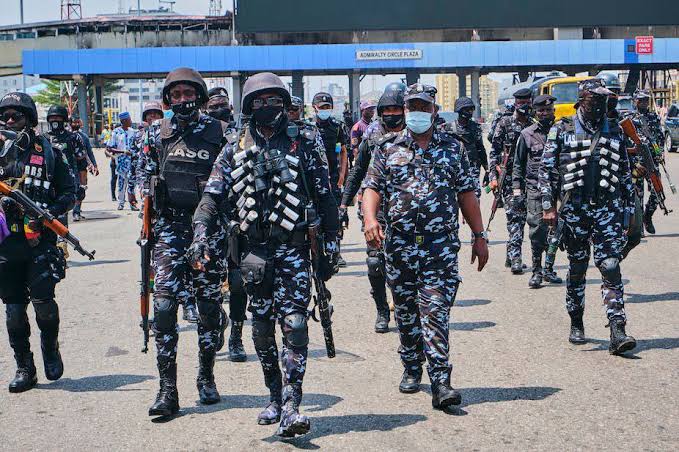
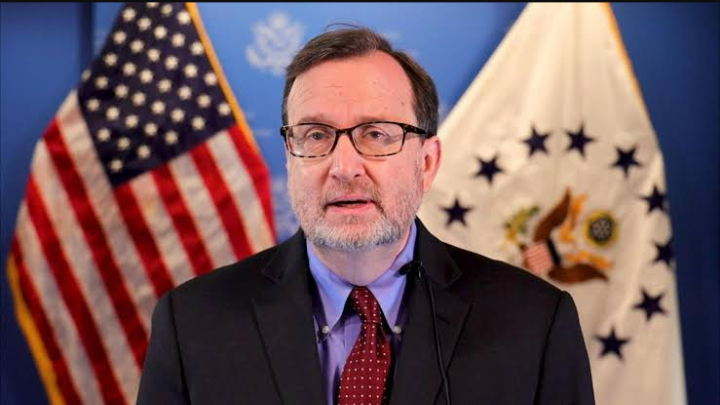
The United States Mission in Nigeria has issued a new security alert to its citizens in the country as the #EndBadGovernance protests commenced across Nigeria yesterday even as it has cancelled all visa appointments between August 1 and 2nd.
In a statement tagged, “Security Risks related to Potential Nationwide Protests”it said that out of an abundance of caution, the U.S. Embassy in Abuja and the U.S. Consulate General in Lagos will operate with essential staff only on Thursday August 1, 2024, and on Friday August 2, 2024.
It noted that non-essential staffers are advised to remain at home to avoid any disruptions that may result from the potential nationwide protests that continue to be reported in the media.
The statement said, „Media reports indicate that protesters are expected to begin gathering at Eagles Square in Abuja mid to late morning. In Lagos, protests may start as early as 8:00 a.m. or 9:00 a.m. and primary locations have been identified as Alausa Park, Freedom Park, and Peace Park.
Ad
„Additional possible protest sites in Lagos include Nahco Bus Stop (Airport Road), Marwa Bus Stop (Lekki-Epe Expressway), and Ikeja „Under the Bridge“ (Intersection of Obafemi Awolowo and Allen Avenue).
„However, protests may occur at other times and locations in Abuja and Lagos, as well as in other cities and population centers in Nigeria over the coming days. Based on past occurrences, protests may involve roadblocks, checkpoints, traffic congestion, and physical confrontations.
„There is a risk of terror attacks in Nigeria and terrorist groups may take advantage of opportunities created during the potential nationwide protests to conduct attacks.“
The US mission therefore advised its citizens in Nigeria to avoid the areas of protest, avoid crowds and exercise caution if unexpectedly in the vicinity of large gatherings or protests.
The citizens were also advised to monitor local media for updates, keep a low profile, and verify flight schedules with their airline, if they have travel plans and review their personal security plans, keep their cell phones charged in case of emergency and carry proper identification.
Ad
Learn more
„The Consular Sections of Embassy Abuja and Consulate General Lagos will offer reduced emergency American Citizen Services only. All visa appointments have been cancelled,“ the statement said.

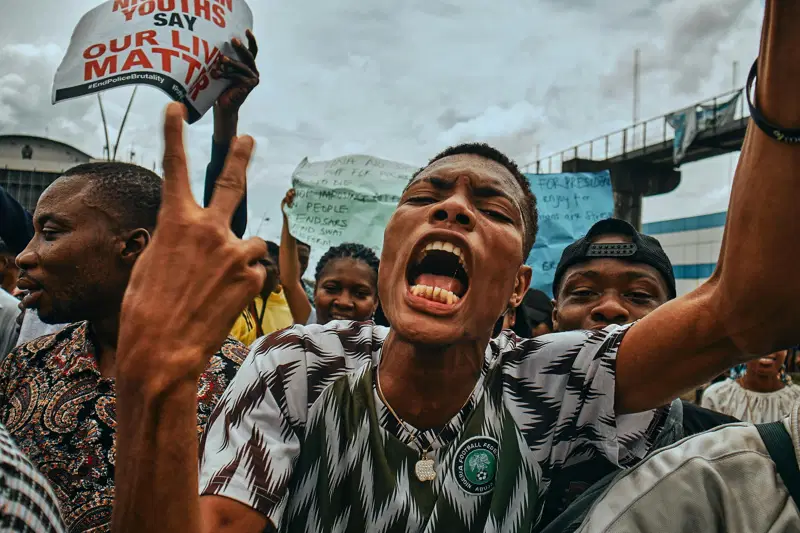



 Micheal Lenin.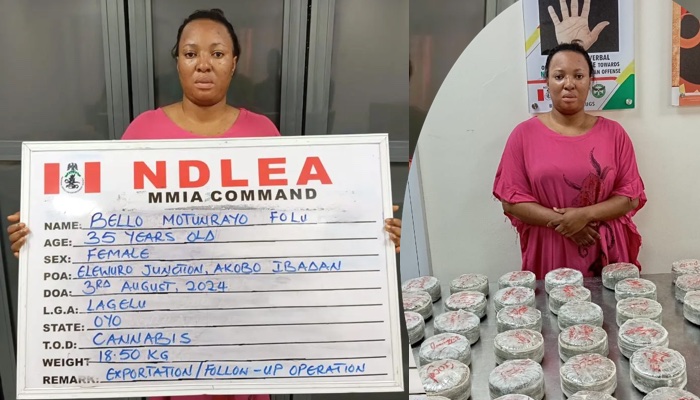
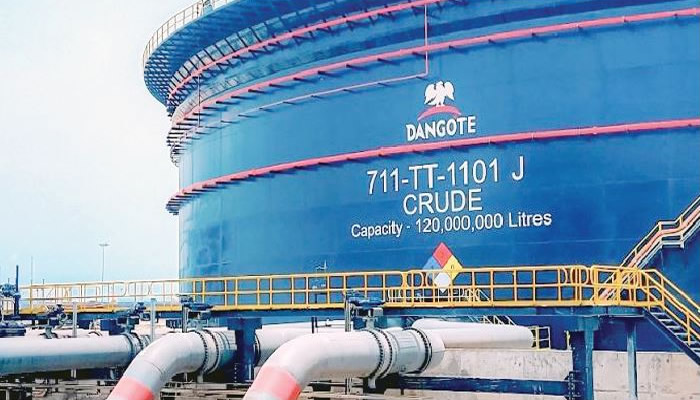


 A top official of the Dangote Group said the recent report on high sulphur content in Dangote diesel emanated from individuals who were hellbent on destroying the refinery, describing the report as fake.