Blog

  • 10 Jobs You Can Do While Waiting for Government Appointment

    10 Jobs You Can Do While Waiting for Government Appointment

    Many professionals wait for government appointments, but this period doesn’t have to be unproductive. Instead of staying idle, you can explore opportunities that enhance your skills, provide income, and increase your professional relevance.

    Here are ten jobs you can do while waiting for a government appointment.

    1. Freelance Writing

    Freelance writing is a lucrative way to earn money online. With strong writing skills, you can work as a content writer, blogger, or ghostwriter. Platforms like Upwork, Fiverr, and Freelancer offer opportunities to earn while enhancing your research and communication skills.

    2. Online Tutoring

    If you have expertise in any subject, online tutoring is a great option. Websites like VIPKid, Teachable, and TutorMe allow professionals to teach students worldwide. This job is flexible and rewarding, improving both teaching and communication abilities.

    3. Social Media Management

    Many businesses need help managing their social media pages. If you understand content creation, engagement strategies, and social media analytics, you can work as a social media manager. This role allows you to earn while building a valuable digital marketing skillset.

    4. Affiliate Marketing

    Affiliate marketing involves promoting products and earning a commission for each sale. You can do this through blogging, YouTube, or social media. By choosing the right niche and learning SEO techniques, you can generate passive income over time.

    5. Graphics and Web Design

    With skills in graphic design or web development, you can offer services to businesses in need of branding and digital presence. Tools like Canva, Adobe Photoshop, and WordPress make it easy to start. This field is in high demand and can turn into a long-term career.

    6. Dropshipping and E-commerce

    E-commerce is a booming industry, and you can start a dropshipping business with minimal investment. Platforms like Shopify and WooCommerce allow you to sell products without handling inventory. By mastering digital marketing, you can make consistent profits.

    7. Event Planning

    If you are organized and have good networking skills, event planning can be a rewarding side hustle. Weddings, corporate events, and parties require skilled coordinators to manage logistics and ensure smooth execution.

    8. Real Estate Consulting

    The real estate industry is always growing, and you can become a real estate agent or consultant. Helping people find properties to buy or rent can earn you commissions. With proper networking and marketing strategies, this can be a profitable business.

    9. Virtual Assistance

    Businesses and entrepreneurs often need virtual assistants to manage emails, schedules, and administrative tasks. Websites like PeoplePerHour and Time Etc. offer remote work opportunities. This job helps develop organizational and communication skills.

    10. Agribusiness

    Agriculture remains a profitable sector. You can start small with poultry farming, fish farming, or vegetable gardening. Many government programs support agribusiness, and it can be a sustainable source of income in the long run.

    Waiting for a government appointment doesn’t mean staying idle. Engaging in these jobs helps you stay productive, gain experience, and earn money. Some of these opportunities can even turn into long-term careers. Choose a job that aligns with your skills and interests, and make the most of your waiting period.


  • 10 States You Should Avoid Visiting in Nigeria

    10 States You Should Avoid Visiting in Nigeria

    Nigeria, the most populous country in Africa, is rich in culture, natural beauty, and economic potential. However, like many nations, certain regions pose security risks that travelers should be aware of. While Nigeria has many safe and welcoming places, some states have ongoing security challenges that make them less advisable for visitors.

    If you plan to travel to Nigeria, it is crucial to stay informed about potential risks. Here are ten states you should avoid visiting due to security concerns, crime rates, or ongoing conflicts.

    1. Borno State

    Borno is one of the most dangerous states in Nigeria due to the presence of Boko Haram and ISWAP insurgents. The capital, Maiduguri, has seen multiple terrorist attacks, kidnappings, and bombings. Despite government efforts to restore peace, the region remains highly volatile.

    2. Yobe State

    Yobe, like Borno, has been plagued by terrorist activities for over a decade. The state has experienced numerous attacks on villages, schools, and security personnel. Due to the ongoing instability, it is not a recommended destination for tourists or business travelers.

    3. Zamfara State

    Zamfara has become notorious for banditry and kidnappings. Armed groups frequently attack villages, abduct people for ransom, and clash with security forces. Travelers are strongly advised to avoid this region due to the high risk of violence.

    4. Kaduna State

    Kaduna is a key economic hub in northern Nigeria, but it also has one of the highest rates of banditry and communal violence. The southern part of the state is particularly affected by ethnic and religious clashes. Kidnappings on highways and in rural areas are rampant.

    5. Katsina State

    Despite being the home state of Nigeria’s former president, Katsina has become a hotspot for insecurity. Bandits frequently raid villages, abduct students, and demand huge ransoms. The state government has struggled to contain the crisis, making it unsafe for visitors.

    6. Plateau State

    Plateau State, known for its scenic landscapes, has been troubled by recurring ethnic and religious violence. Jos, the capital, has witnessed numerous clashes between herders and farmers, leading to loss of lives and properties. Traveling to rural areas in the state poses significant risks.

    7. Sokoto State

    Sokoto, once considered peaceful, has seen a rise in bandit attacks and kidnappings. The border proximity to Niger Republic has also contributed to cross-border crimes. While the capital city may be relatively safer, rural communities remain dangerous.

    8. Benue State

    Benue has been a conflict zone due to violent clashes between farmers and herders. Thousands of people have been displaced, and entire communities have been wiped out. Security forces are present, but the situation remains unstable, making it unsafe for travelers.

    9. Taraba State

    Taraba has beautiful landscapes and tourist attractions, but frequent ethnic clashes and attacks by armed groups make it dangerous. Kidnappings, armed robberies, and militia violence have turned parts of the state into no-go zones.

    10. Niger State

    Niger State, despite being close to the capital, Abuja, faces significant security threats from bandits and terrorist groups. Criminal gangs have targeted travelers on highways, attacked villages, and even taken over some communities.

    Why You Should Stay Cautious

    While Nigeria has many beautiful and secure places, these states pose higher risks due to armed conflicts, terrorism, banditry, and communal violence. If you must travel to any of these regions, ensure you follow these safety tips:

    Always check travel advisories before visiting.

    Stay updated on security news from credible sources.

    Avoid traveling at night.

    Use security escorts when necessary.

    Inform trusted contacts about your travel plans.

    Follow local authorities’ guidelines.

    Safer Alternatives in Nigeria

    If you are looking for safer destinations in Nigeria, consider states like Lagos, Ogun, Osun, Akwa Ibom, Cross River, and Enugu. These areas have lower crime rates and offer exciting attractions for visitors.


    Traveling in Nigeria can be an enriching experience, but safety should always be a priority. Avoiding high-risk states and following security precautions will ensure a smooth and enjoyable trip. Always stay informed and plan your travels wisely.


  • 12 Things You Should Never Say During Job Interviews

    12 Things You Should Never Say During Job Interviews

    A job interview is your golden opportunity to impress potential employers. However, saying the wrong thing can instantly reduce your chances of securing the job.

    To help you avoid costly mistakes, here are 12 things you should never say during a job interview, along with explanations and examples of how to handle each situation better.

    1. “I don’t know much about this company.”

    Employers expect candidates to do their homework. Not researching the company makes you appear uninterested and unprepared. Instead, mention key facts about the company, its history, mission, values, and industry to show genuine enthusiasm.

    Example: Instead of saying, “I don’t know much about this company,” say, “I read about your company’s recent expansion into international markets, and I find your approach to global business strategy very impressive. I’d love to contribute to such initiatives.”

    2. “What does this company do?”

    This question signals a lack of preparation and shows that you didn’t take the time to review the company’s website or recent news. Always research the company’s core business, products, and competitors before attending the interview.

    Example: Instead of asking, “What does this company do?” say, “I understand that your company specializes in cloud-based solutions for small businesses. Can you tell me more about your latest product developments?”

    3. “I hated my last job.”

    Speaking negatively about previous employers raises red flags. Hiring managers may assume you’re difficult to work with or that you might badmouth their company in the future. Instead, frame challenges positively by discussing what you learned and how you’re looking for growth opportunities.

    Example: Instead of saying, “I hated my last job because my boss was difficult,” say, “My last job had challenges, but I learned valuable skills in time management and conflict resolution that will help me in this role.”

    4. “I just need a job.”

    Employers want candidates who are passionate about the role, not just looking for a paycheck. Express enthusiasm for the position and how it aligns with your skills and career goals.

    Example: Instead of saying, “I just need a job to pay my bills,” say, “I’m excited about this opportunity because it aligns with my skills and long-term career goals in project management.”

    5. “I don’t have experience, but…”

    Instead of focusing on your lack of experience, highlight your transferable skills, education, and willingness to learn. Show confidence in your ability to adapt and grow.

    Example: Instead of saying, “I don’t have experience in this field,” say, “While I haven’t worked in this exact role before, my background in customer service has given me excellent communication and problem-solving skills that would be valuable in this position.”

    6. “How much does this job pay?”

    Bringing up salary too early can make it seem like money is your only concern. Wait until the employer mentions it or until a job offer is on the table.

    Example: Instead of asking about salary upfront, wait for the interviewer to bring it up or say, “I’m open to discussing compensation once we determine that I’m a great fit for the role.”

    7. “I have no questions.”

    Not asking questions makes you look uninterested. Prepare thoughtful questions about the company culture, job responsibilities, and growth opportunities to show engagement.

    Example: Instead of saying, “I have no questions,” ask, “Can you tell me about the team I’d be working with?” or “What does success look like in this role within the first six months?”

    8. “I have another offer, so I need an answer soon.”

    Pressuring the interviewer can backfire. While it’s okay to mention multiple opportunities, do so tactfully by expressing continued interest in the role.

    Example: Instead of demanding an immediate answer, say, “I’m very interested in this opportunity. I do have other interviews lined up, but I’d love to understand your timeline for the hiring process.”

    9. “My biggest weakness is that I work too hard.”

    This cliché response sounds insincere. Instead, share a genuine weakness and explain how you’re working to improve it.

    Example: Instead of using a cliché, say, “I sometimes struggle with delegating tasks because I like to ensure everything is done perfectly. However, I’m working on improving this by trusting my team members and setting clear expectations.”

    10. “I don’t like working in teams.”

    Most jobs require teamwork. If you prefer working independently, frame it positively by emphasizing your ability to collaborate when necessary.

    Example: Instead of saying, “I prefer working alone,” say, “I enjoy working independently but also appreciate the value of teamwork. In my previous role, I worked independently on projects but collaborated with my team for brainstorming and strategy sessions.”

    11. “What’s the policy on vacation and sick leave?”

    While benefits are important, asking about time off too early may give the impression that you’re more interested in days off than the job itself.

    Example: Instead of asking about vacation policies in the first interview, wait until later stages of the hiring process. If necessary, ask, “Can you tell me more about the company’s work-life balance policies?”

    12. “I don’t have any weaknesses.”

    Everyone has areas for improvement. Instead of denying weaknesses, show self-awareness by discussing a skill you’re developing.

    Example: Instead of saying, “I have no weaknesses,” say, “I’m working on improving my public speaking skills by taking online courses and practicing presentations.”

    A job interview is your chance to showcase your strengths and professionalism. Avoid these common mistakes to make a great impression and increase your chances of landing your dream job. Remember, preparation and confidence go a long way in setting yourself apart from other candidates.

    By following these tips, you can navigate job interviews confidently and position yourself as the best candidate for the role. Good luck!


  • Places You Should Avoid Going If You Want to Live Long

    Places You Should Avoid Going If You Want to Live Long

    Staying safe and living a long, healthy life depends on making smart choices about where you go. Some places are inherently dangerous due to crime, environmental hazards, or health risks. In this guide, we’ll explore locations you should avoid if you want to prioritize longevity.

    1. High-Crime Neighborhoods

    Crime-prone areas are some of the most dangerous places you can visit. High rates of robbery, gang violence, and shootings make these locations a threat to your safety. Before traveling, check crime statistics and avoid venturing into unfamiliar neighborhoods at night.

    Tips to Stay Safe:

    Use crime mapping apps.

    Stick to well-lit areas.

    Avoid walking alone in unknown places.

    2. War Zones and Conflict Areas

    Regions experiencing armed conflicts, terrorism, or political instability pose life-threatening risks. Explosions, kidnappings, and violence can make these areas deadly. Check government travel advisories before visiting any destination.

    Countries to Avoid:

    Syria

    Afghanistan

    Yemen

    South Sudan

    Somalia

    3. Remote Wilderness Areas Without Proper Preparation

    Nature lovers enjoy exploring remote forests, deserts, and mountains. However, without proper preparation, these locations can be dangerous due to extreme weather, wild animals, and lack of access to medical help.

    Survival Tips:

    Carry enough food, water, and emergency supplies.

    Inform someone about your travel plans.

    Learn basic survival skills.

    4. High-Pollution Cities

    Air pollution significantly affects health, leading to respiratory diseases, heart conditions, and a reduced lifespan. Some of the world’s most polluted cities have hazardous air quality levels that can shorten your life over time.

    Most Polluted Cities:

    Delhi, India

    Lahore, Pakistan

    Beijing, China

    Dhaka, Bangladesh

    5. Dangerous Tourist Traps

    Certain tourist destinations have a reputation for scams, theft, and even violence against visitors. Some popular places have hidden dangers that unsuspecting travelers fall victim to.

    Tourist Scams to Watch Out For:

    Overpriced taxi fares

    Fake tour guides

    Pickpocketing in crowded places

    6. Volcanic and Earthquake-Prone Regions

    Living or traveling in areas prone to natural disasters increases the risk of injury or death. Volcanic eruptions, earthquakes, and tsunamis can strike suddenly, leaving devastation in their wake.

    7. Deep Sea Diving Without Experience

    Underwater exploration is exciting but can be extremely risky for untrained divers. Drowning, decompression sickness, and encounters with dangerous marine life are major hazards.

    How to Dive Safely:

    Get certified by a professional diving school.

    Use proper diving equipment.

    Never dive alone.

    8. Extreme Sports Locations Without Proper Training

    Adrenaline-fueled activities like skydiving, bungee jumping, and mountain climbing attract thrill-seekers, but without proper training, they can lead to fatal accidents.

    High-Risk Extreme Sports Locations:

    Everest Base Camp (Climbing without experience)

    The Grand Canyon (Risky hikes without preparation)

    Rio de Janeiro (Hang gliding accidents)

    9. Unsafe Public Transport in Certain Countries

    Public transportation in some countries is poorly maintained, overcrowded, or operated by reckless drivers, increasing the risk of accidents.

    Public Transport to Avoid:

    Overcrowded ferries in Southeast Asia

    Old and unsafe buses in some African nations

    Rickety trains with poor safety standards

    10. Slums and Underdeveloped Areas with Poor Sanitation

    Areas with inadequate sanitation and contaminated water sources increase the risk of disease. Cholera, typhoid, and other infections spread quickly in such environments.

    Preventative Measures:

    Drink bottled or purified water.

    Avoid street food in unhygienic areas.

    Keep your vaccinations up to date.

    11. Regions with High Disease Outbreaks

    Some regions have frequent outbreaks of life-threatening diseases, such as malaria, Ebola, or Zika virus. Without proper vaccinations and medical precautions, visiting these places can put your health at risk.

    Health Precautions:

    Get travel vaccinations before visiting endemic areas.

    Use insect repellents in mosquito-prone regions.

    Avoid close contact with sick individuals.

    12. Flood-Prone and Hurricane Zones

    Floods and hurricanes cause devastation, destroying homes, roads, and infrastructure. These disasters often lead to displacement and waterborne diseases.

    Your safety and longevity depend on the choices you make about where you go. While adventure and exploration are exciting, staying away from high-risk locations can help ensure a longer, healthier life. Always research your destinations, take necessary precautions, and prioritize your well-being.

  • Sterling bank stops online transfer charges, gives reason

    Sterling bank stops online transfer charges, gives reason

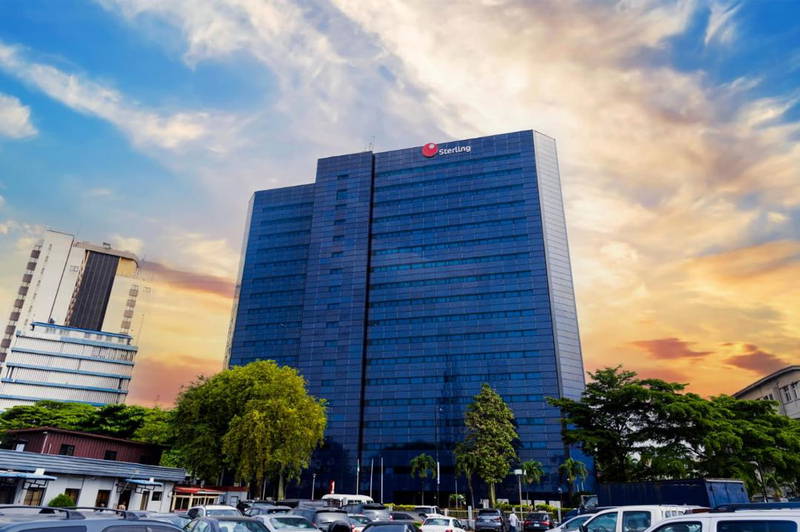
    In a landmark move that sets a new benchmark for customer-focused banking in Nigeria, Sterling Bank has championed the cancellation of bank transfer fees by major banks, announcing it will no longer take any money for itself for any local online transactions by its customers.

    The announcement made on April 1 initially sparked widespread arguments, with many assuming it was a marketing prank tied to April Fools’ Day. However, Sterling Bank has confirmed that this is no stunt: the zero-transfer-fee policy is real and effective immediately.

    With this move, Sterling becomes the first major Nigerian bank to take a definitive stand against the long-standing practice of charging customers for everyday digital transfers, an issue that has grown increasingly contentious as digital banking adoption deepens.

    “We believe access to your own money shouldn’t come with a penalty,” said Obinna Ukachukwu, Growth Executive leading the Consumer and Business Banking Directorate. “This is more than a financial decision, it’s a values-based one. It reflects our commitment to making banking fair, inclusive and truly customer-focused.”

    “We’re not yet the biggest bank in Nigeria, but we’ve been the boldest,” Ukachukwu added. “Sterling fearlessly believes in the future of Nigeria, and this is us backing Nigerians with more than words.”

    Under the new policy, Sterling customers will enjoy free transfers for all local transactions conducted via the bank’s mobile app. This translates into significant savings, particularly for individuals and new small business owners who make frequent daily transfers.

    This customer-first orientation is not new for Sterling. During the COVID-19 pandemic, the bank stood out by providing supplementary payments to healthcare workers in public hospitals—at a time when few others were willing or able to offer additional support. From that moment to now, Sterling has continued to redefine what it means to be a responsible and responsive institution.

    The bank’s latest move has been met with widespread public approval, sparking positive reactions across social media and placing pressure on industry peers to follow suit.

    “We’re proud to lead this change,” Ukachukwu added. “We hope it inspires others to think differently about what customers truly need from their banks, not just in services, but in values.”

    Online communities were not excluded as WhatsApp Nigeria lit up with viral broadcasts as users forwarded the news across various groups, including one from a prayer circle that read: “Please my good people this is not a joke!!! Sterling Bank has just shocked Nigeria today o!! My neighbour Justina just transferred N100k and no charges!!! God bless Sterling Bank!!” The message quickly gained traction, sparking massive public interest and mounting pressure on other banks to follow suit.

    Sterling’s zero-fee policy is part of a broader strategy to transform the customer experience and deliver transparent, ethical banking solutions at scale.

  • Why I am going to France – Tinubu

    Why I am going to France – Tinubu


    President Bola Tinubu has officially departed Abuja for Paris, France, on a short working visit.

    In a video by the President’s Special Adviser on Social Media, Dada Olusegun, the President was seen arriving the airport with some political figures waiting for him already.

    Amongst those who waited to bid the president farewell were Wale Edun, Nyesom Wike, and others.

    In a statement by Tinubu’s Special Adviser on Information and Strategy, Bayo Onanuga, on Wednesday, April 2, the President will during the visit appraise his administration’s mid-term performance and assess key milestones of his administration.

    He also disclosed that the President will also use the retreat to review the progress of ongoing reforms and engage in strategic planning ahead of his administration’s second year anniversary.


  • Why only full time church workers should be paid – Pastor

    Why only full time church workers should be paid – Pastor

    Founder of Calvary Bible Church, Pastor Olumide Emmanuel, has weighed in on compensating church musicians.

    He stressed that roles such as ushering, choir participation, and security should be seen as acts of service to God and should not be financially compensated.

    Emmanuel emphasised that volunteering in these areas is a way to serve the church without expecting monetary rewards.

    However, the pastor made a distinction between volunteers and full-time staff.

    He acknowledged that those who commit to full-time ministry roles, regardless of the department, should be paid a salary for their work.

    He explained that while the church values volunteers, it cannot afford to pay every person who volunteers, as doing so would hinder its ability to support other essential activities.

    Emmanuel encouraged individuals who feel called to serve in full-time ministry to apply for staff positions, where they would be expected to work from Monday to Friday, attend rehearsals, and participate in church services over the weekends.

    The cleric said: “This is a church of God, and everyone of us comes to serve God as our father and creator and we operate as a family. So as a family, we come into the church, we all look into what needs to be done in the house and whatever we have the ability and giftings to do, we do as part of our contribution to the family. So when people come they join a department, ushering, choir, security, etc. None of them should be paid for serving God. I’m not supposed to pay you because you’re an usher, choir, protocol, or instrumentalist.

    “I don’t believe I should pay you to come to church on Sunday morning to worship God and play your part in the church. If everybody begins to collect money we won’t have money to do many things. So as a pastor, I’m also coming to serve God, and I have business I do. But not everybody can do business. So if you’re working in the kingdom, you should be paid.

    “So if you’re a musician in church and you want to be a part of the staff, you should be paid. If someone says I want to be a full time music minister, we would pay you. If you are a music minister what are you doing from Monday till Friday. Some of these things are not sustainable. But anyone who thinks he wants to do music ministry full time, we are ready to employ you as a full time staff. But you will come to work Monday to Friday like everybody else and still come to rehearsal on Saturday and Church on Sunday.”


  • Why I refused to pray with cell mates – Portable

    Why I refused to pray with cell mates – Portable

    Controversial singer Portable has opened up about his recent detention in police custody, where he was held over alleged conspiracy and assault.

    In a recent interview on Echo Room, Portable shared details about his time in Cell 4, including the harsh conditions and his interactions with fellow inmates.

    According to Portable, he was treated with unusual respect by the prisoners, who even offered him leadership but he declined, stating that the cell was not his home.

    Portable also claimed that he was spared from physical abuse, which was typically meted out to new detainees, because he had “blessed” the prisoners.

    Portable recounted how he refused to participate in prayers with his cellmates, citing their confessions of murder and his own innocence.

    He said: “Thank God I am a Government’s child. They said I am a crãzy person, when I got the government I told them I am not a crãzy. When I entered Cell 4, I blessed them. Normally, they beat new people in the cell; when I got there, the head of the cell dethroned himself for me to become the leader, but I said No, this is not my house. Then I asked what his offence was; he said they accused him of murder. I told him to stay beside me as long as he didn’t kill me.

    “A person said we should pray; I said No, God doesn’t answer this kind of prayer. We aren’t in church. One said he had killed one person, another said he killed two people, and another said three people. I haven’t killed anyone, so our prayers cannot work together. Pray on your own”.


  • How I Lost ₦33M Meant for Studying Abroad to Sports Betting

    How I Lost ₦33M Meant for Studying Abroad to Sports Betting


    A man from Eldoret, Uasin Gishu County, has been left devastated after losing KSh 2.8 million (approx. N33 million) meant for his studies abroad to sports betting.

    Dismas Mutai reportedly lost the substantial sum while betting on Aviator, an online gambling platform, and has since taken to social media to seek assistance from well-wishers, including politicians.

    He expressed his distress and admitted that the loss had affected his mental well-being.

    “I’m not okay; I will no longer pretend to be okay. I have fallen into a disastrous trap. A trap that I never anticipated in my life. Depression is slowly taking me to the grave. You must have even noticed an unusual change in my behaviour. Aviator flew away with over KSh 2.8 million of people’s money,” he stated as quoted by Tuko News, a popular Kenyan news website.

    Mutai used the platform to plead for support from Kenyans of goodwill, acknowledging his mistake and the toll it has taken on his life.

    He apologised to his family for disappointing them, stating that he had struggled with gambling addiction despite having strong ambitions for a better future.

    “To my mum and the entire family, forgive me. I understand the level of trust you had in me. I have weaknesses just like any other human being, and this has become my greatest weakness,” stated Mutai.

    He also appealed to his community for forgiveness, emphasizing his previous involvement in village affairs and his hope for a second chance.

    “Perhaps the UK was not meant for me, but just give me a chance to survive so that I can be a living testimony to many,” he pleaded.

    Mutai had secured a scholarship to study for a Master of Science in International Project Management at Anglia Ruskin University (ARU) in London.

    Screenshots shared online indicate that his program was set to begin on January 13, 2025, and conclude on January 16, 2026.

    The incident has sparked reactions from Kenyans online, many of whom condemned gambling as a dangerous habit that can lead to financial ruin and mental distress.

    Some called on the government to regulate or ban platforms like Aviator to prevent similar cases in the future

  • How abricklayer disappeared after his wife gave birth to triplets

    How abricklayer disappeared after his wife gave birth to triplets

    A middle-aged bricklayer, identified as Bayo Jeje, has allegedly absconded after his wife, Iyanu Ehuwa Jeje, gave birth to a set of triplets, leaving her and the newborns stranded at the hospital.

    The incident occurred at Aribo Hospital, Igbokoda, near Ilaje High School, where Iyanu successfully delivered three healthy baby boys on Tuesday.

    According to sources at the hospital, Iyanu’s ordeal began around 5 a.m. at Igbokoda Health Centre, where she experienced a prolonged delay due to the unavailability of a doctor. As her condition worsened, she was rushed to Aribo Hospital, where she safely delivered the triplets.

    However, instead of celebrating the joyous occasion, her husband reportedly fled, abandoning her with no financial support to care for the newborns.

    Currently, well-wishers have gathered at Aribo Hospital to offer assistance, but more help is urgently needed. Iyanu is appealing for support to care for her babies and secure their future.

    For those willing to assist, contributions can be made to help the struggling mother and her newborns.