Tag: Ibrahim Traore

  • Ibrahim Traoré Congratulations Pope Leo XIV, Calls For Solidarity

    Ibrahim Traoré Congratulations Pope Leo XIV, Calls For Solidarity

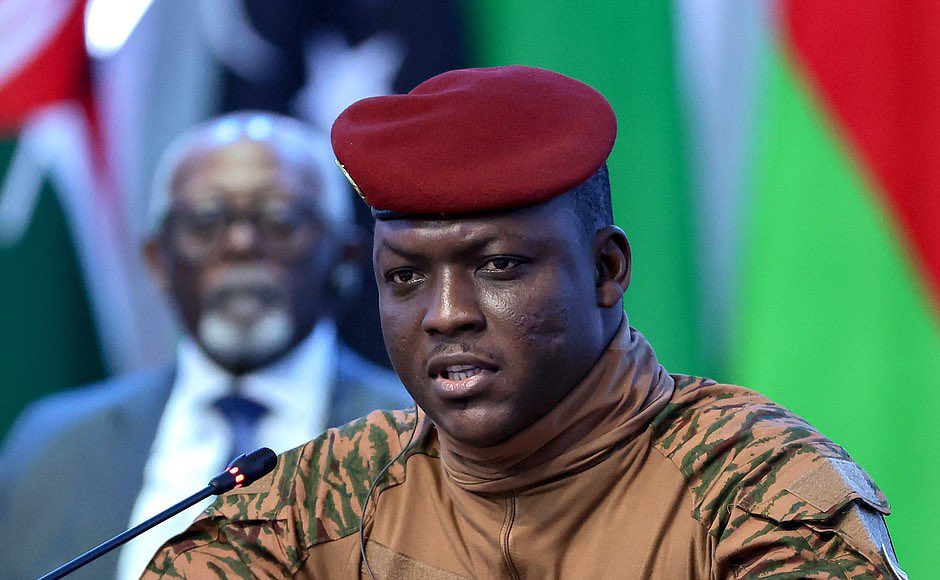
    Burkina Faso’s Head of State, Captain Ibrahim Traoré, on Friday congratulated Cardinal Robert Francis Prevost on his election as Pope Leo XIV.

    Cardinal Robert Francis Prevost, 69, was elected the new pontiff after the 2025 papal conclave making him the first pope ever from the United States.

    The Burkinabé leader posted the goodwill message on his X handle urging the new pope to embrace true solidarity as the Catholic leader.

    The post reads, “I extend my warmest congratulations to the 267th Pope, Leo XIV, elected head of the Catholic Church. I hope that he will be a spiritual guide close to the people and their deep aspirations, a man fully committed to the service of dialogue, security, peace and for greater social justice and true solidarity throughout the world. Happy Pontificate to Pope Leo XIV!”
  • Ibrahim Traore of Burkina Faso rejects loan from IMF

    Ibrahim Traore of Burkina Faso rejects loan from IMF

    Ibrahim Traore of Burkina Faso rejects loan from IMF

    Ibrahim Traore
    Burkina Faso’s President, Ibrahim Traore

    Burkina Faso’s Defacto leader, Ibrahim Traore has rejected a financial assistance offer from the International Monetary Fund (IMF).

    Tekedia reported that the military leader rejected the loan amidst economic challenges affecting his country.

    The IMF, known for providing financial support to countries in need, had approved a substantial arrangement under the Extended Credit Facility for Burkina Faso, aimed at addressing the country’s balance of payments problems and supporting economic resilience and poverty reduction efforts. However, President Traore’s administration has opted to turn down this offer.

    One of the key reasons cited for rejecting the IMF’s assistance is the belief that such aid could perpetuate economic dependency and limit the country’s control over its financial decisions. There is also a sentiment that accepting the aid could keep the country ensnared in a cycle of debt.

    This perspective aligns with a broader trend among some African leaders who are re-evaluating the long-term implications of international financial aid and expressing a preference for policies that promote autonomy and self-determination.

    Additionally, the decision reflects concerns about the potential for international financial institutions to influence domestic policy and priorities. By turning down the IMF assistance, Burkina Faso is asserting its financial sovereignty and demonstrating a commitment to prioritizing the well-being of its citizens above external pressures.