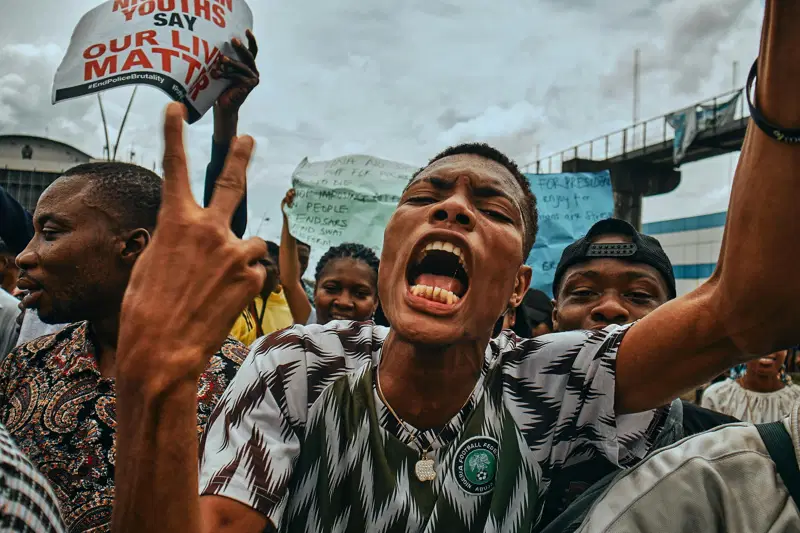
Youth Uprising: A Clarion Call for Africa’s Future

As protests rage across Kenya under the banner #RejectFinanceBill2024, a broader narrative is unfolding across the African continent. These decentralized mass protests against proposed tax increases are not merely a reaction to local policies but symptoms of a larger malaise affecting many African nations.
As young people take to the streets demanding accountability and effective governance, the echoes of Nigeria’s End SARS movement are loud and clear. The unrest in Kenya epitomizes the growing discontent among Africa’s youth, underscoring the urgent need for political and economic reforms across the continent
The Finance Bill 2024, proposing significant tax hikes, has sparked widespread outrage in Kenya. The government’s decision to increase taxes amidst rising inflation and economic hardship is seen as a direct affront to citizens already struggling to make ends meet. Despite numerous cost-cutting recommendations, the government has opted to burden its populace with additional taxes instead of implementing fiscal prudence. This scenario is not unique to Kenya; it reflects a common trend across many African countries, where governments prioritize short-term revenue generation at the expense of long-term economic stability and social cohesion.
A Continental Youth Uprising
The Kenyan protests have inspired similar movements across the continent, with protests breaking out in Nigeria and in Uganda by young people galvanized through social media. Platforms like Twitter and Facebook have been instrumental in mobilizing youth across Kenya and beyond. Facing unprecedented levels of unemployment and economic uncertainty, these young people are increasingly disillusioned with their governments. The African youth bulge, which should be an asset, is becoming a liability as job creation lags behind population growth. This demographic pressure cooker, exacerbated by poor governance and economic mismanagement, is a ticking time bomb.
Notably, the protests have seen youth mobilized across tribal and religious lines, united in their demand for change. The End SARS protests in Nigeria, which began as a movement against police brutality, quickly morphed into a broader call for good governance and economic justice. Similarly, the #RejectFinanceBill2024 protests in Kenya, though centered on taxation, are rooted in a deep-seated frustration with systemic corruption and ineffective leadership. These protests signify a growing awareness and willingness among Africa’s youth to challenge the status quo and demand a better future.
The Political Nuances
The political landscape in many African countries complicates the situation. Governments often stifle dissent through internet shutdowns, arrests, and violent crackdowns on protesters. In Kenya, the response to the Finance Bill protests has been mixed, with attempts to placate the public while violently cracking down on dissent. This delicate balancing act reflects a broader pattern of governance in Africa, where leaders are often torn between maintaining power and addressing the legitimate grievances of their citizens.
Furthermore, the role of external actors, particularly international financial institutions like the International Monetary Fund (IMF), is significant. Many African countries, burdened with unsustainable debt, have turned to the IMF for financial assistance. Although higher interest rates often reflect a history of defaults, the conditions attached to these loans typically include austerity measures and structural adjustments that worsen the plight of ordinary citizens. Kenya’s tax proposals, driven by the need to meet IMF loan conditions—standing at 68 percent of its GDP, well above recommended levels—highlight the complex interplay between domestic policies and international financial obligations..
To address the root causes of these protests and pave the way for a more stable and prosperous Africa, several steps need to be taken:
Fiscal Responsibility and Transparency: African governments must prioritize fiscal responsibility and transparency. This entails not only generating revenue but also rationalizing expenditure by cutting wasteful spending and reducing corruption. Strategic investments in education, healthcare, and public transport are crucial, alongside the implementation of efficient tax systems. Transparent use of public funds is essential to build trust between governments and citizens.
Youth Employment and Entrepreneurship: Addressing high levels of youth unemployment should be a top priority. African governments need to create an enabling environment for entrepreneurship and small businesses, invest in education and skills training, and create industries that can benefit its large youth workforce.
A New Social Contract: There is an urgent need for a new social contract between African governments and their citizens, prioritizing transparency, accountability, and inclusive development. This contract should be founded on principles of equity and justice, ensuring that the benefits of economic growth are widely shared.
Engaging with Multilateral Institutions: While loans from institutions like the IMF can provide necessary financial relief, African governments must negotiate terms that do not burden their citizens. Debates and consultations before implementing IMF-recommended austerity measures are essential, ensuring policy approaches that prioritize Africa’s interests.
Regional Cooperation: African countries must work together to address common challenges. Regional bodies like the African Union can play a significant role in mediating conflicts, promoting good governance, and fostering economic integration.
The youth protests breaking out are a powerful reminder of the untapped potential and simmering frustrations of Africa’s young population. As the continent grapples with economic hardship and governance deficits, it is imperative for leaders to heed the voices of their young citizens. Africa’s future depends on creating inclusive, transparent, and accountable governance structures that harness the energy and creativity of its youth. By addressing the underlying issues driving these protests, African countries can chart a course towards a more prosperous and stable future.
Stephen Chukwumah is a Nigerian-born advocate who is based in Washington, D.C., and works internationally on key policy issues. Twitter: @chibik3